
Pick up two white shirts. Same cotton, same colour, same price tag. One feels crisp and substantial in your hand. The other feels limp and lifeless. So what changed? Almost always, it comes down to the interlining hiding inside. As a fusible interlining supplier, we hear this question constantly: how does interlining change the feel of the fabric? The short answer is, a lot. Interlining is the quiet dial that takes the same cloth from soft and drapey to sharp and structured. In this guide, we will unpack what fabric feel means, how interlining changes it, which levers control the result, and when that feel goes wrong. By the end, you will know how to land the exact hand you want.
What Do We Mean By Fabric Feel?
Before we talk about interlining, let’s define the thing it changes. In the textile world, the feel of a fabric has a proper name: the hand, or hand feel. It is everything you sense when you touch cloth.
That includes softness, stiffness, smoothness, and weight. It also covers drape, which is how the fabric hangs and falls. A soft hand flows like silk. A firm hand stands up like canvas.
Here is the key point. Fabric feel is not fixed by the outer cloth alone. Construction, finishing, and yes, interlining all shift it. So the very same fabric can feel completely different depending on what sits behind it.
Why does this matter so much to brands? Because feel sells. Shoppers judge quality with their hands within seconds. A fabric that feels substantial reads as premium, while a limp one reads as cheap, even at the same price. So controlling feel is not a small detail. It is part of how your product competes on the rail.
How Does Interlining Change Fabric Feel?
Now to the heart of your question. Interlining changes fabric feel by adding a second structural layer behind the face cloth. That layer brings its own body, stiffness, and weight to the mix.
Think of it like adding a spine to a book. The pages on their own flop around. Add the spine and they hold together with intent. Interlining does the same for cloth, giving it a structure it could never hold alone.
When you bond or stitch it in, several things shift at once:
- Body and structure. The fabric gains substance. A flimsy panel turns firm and purposeful.
- Stiffness. Interlining can take soft cloth and make it crisp, or simply add a gentle backbone.
- Drape. More structure means less flow. The fabric holds a shape instead of falling loose.
- Weight and thickness. The garment feels more substantial the moment you pick it up.
- Surface smoothness. A clean bond can calm a fabric that puckers or ripples on its own.
So interlining does not just stiffen things. Used well, it tunes the feel. You can dial in a soft, refined hand or a sharp, architectural one. The choice is yours, and it starts with the interlining you pick.
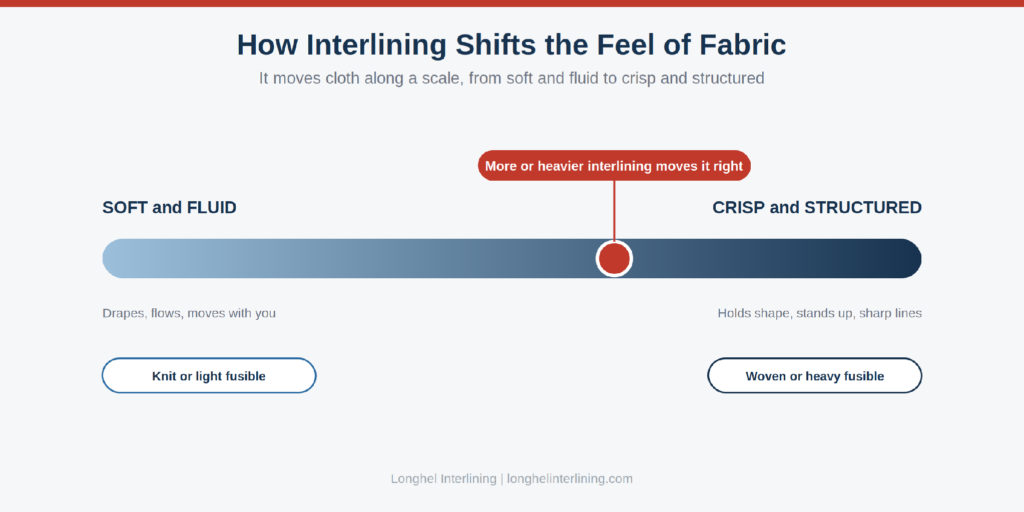
Figure 1: Interlining shifts cloth along a scale from soft and fluid to crisp and structured.
What Decides Interlining Fabric Feel?
Four levers control your interlining fabric feel. Pull them toward soft or toward crisp, and the hand follows. The table below shows how each one works.
| Lever | Pushes Toward a Softer Feel | Pushes Toward a Crisper Feel |
|---|---|---|
| Base construction | Knit or light non-woven | Woven |
| Weight (GSM) | Lighter interlining | Heavier interlining |
| Coating amount | Less adhesive | More adhesive |
| Fusing heat and pressure | Gentle, well controlled | Firm, high settings |
| Fabric pairing | Match a soft cloth | Back a structured cloth |
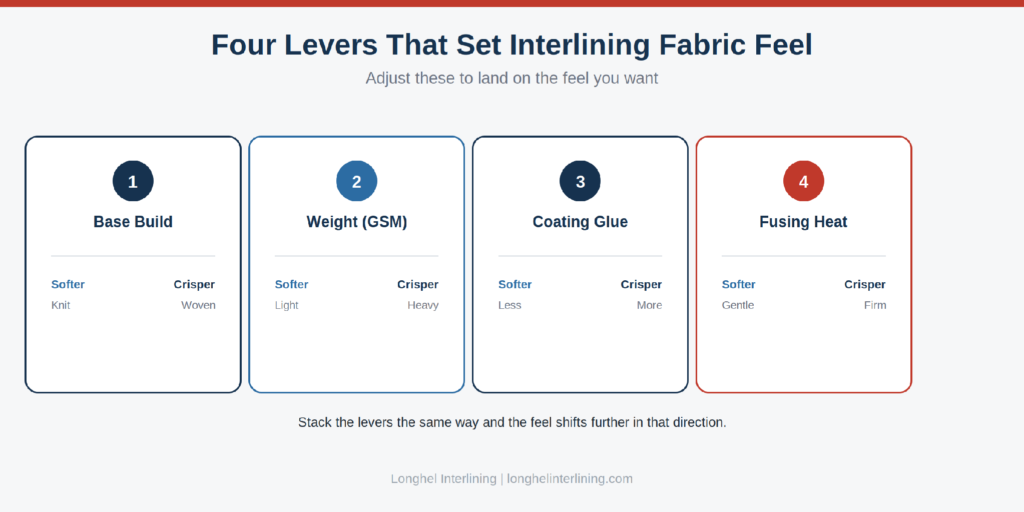
Figure 2: The four levers that set interlining fabric feel, each running from softer to crisper.
Base Construction And Weight
Start with the base. Woven interlining gives the crispest, most stable hand, which is why shirts and suits rely on it. Knit interlining stays soft and stretchy, so it suits jersey and drapey pieces. Non-woven sits in between and keeps things light. Weight then fine-tunes the result. A light interlining whispers structure into the cloth, while a heavy one shouts it. For the full picture on shirts, our shirt interlining guide breaks down weights and materials in detail.
Coating, And How Fusing Affects Interlining Fabric Feel
The adhesive matters as much as the base. More coating means a firmer, stiffer bond. Less keeps the hand soft and flexible. Fusing settings then seal the result. Get the temperature, pressure, and time right and the bond feels clean and natural. Push the heat too high and the panel turns board-stiff or shiny. We walk through the bonding window in how to fuse interlining, and it is worth following closely.
Which Feel Do You Want? Matching Interlining To The Result
This is where strategy comes in. Decide on the feel first, then pick the interlining to deliver it. In other words, work backwards from the garment.
Want soft and drapey? Reach for a light or knit interlining with minimal coating. Want crisp and structured? Choose a woven fusible in a medium to heavy weight. Want something in between? A light woven or non-woven gives gentle support without stiffness.
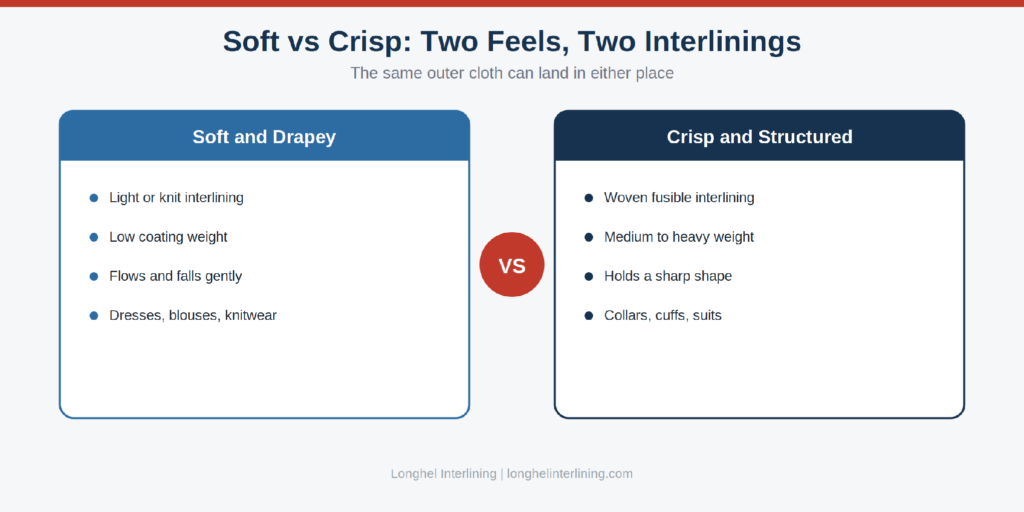
Figure 3: The same outer cloth can land soft and drapey or crisp and structured.
Match the feel to the use, too. A collar should stand up, so it wants crispness. A flowing dress should move, so it wants softness. The same logic then scales across every garment you make.
Take a structured blazer next to a soft silk blouse. The blazer leans on a firm woven fusible across the chest, so it holds clean lines. The blouse uses almost no interlining, just a whisper at the collar, so it keeps flowing. Same designer, same skill, two very different hands, all decided by the layer underneath.
When Interlining Goes Wrong (And How To Fix It)
Even the right interlining can spoil the feel if the process slips. Three faults show up most often, and each has a clear fix.
First, board-stiffness. Too heavy a weight or too much heat leaves the panel rigid and lifeless. Drop the weight or lower the temperature.
Second, shiny patches. When glue strikes through the face fabric, you get stiff, glossy spots that ruin the hand. We cover the cause and the cure in glue seepage.
Third, puckering. If the interlining and the cloth shrink at different rates, the surface ripples after washing. Matched, pre-tested shrinkage prevents it, which is why interlining shrinkage deserves your attention.
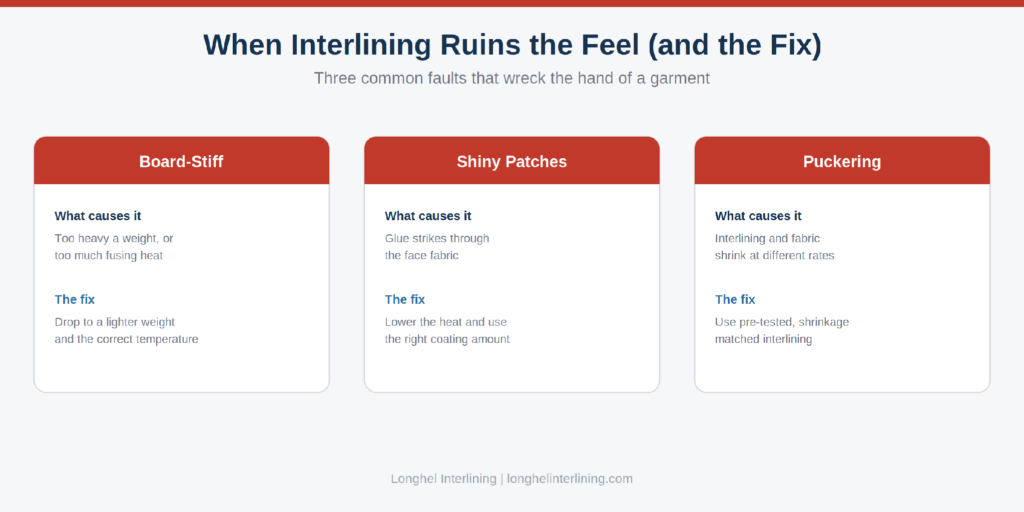
Figure 4: Three faults that wreck the feel, with the fix for each.
TL;DR
Short on time? Here is the whole thing in five lines:
- Fabric feel, or hand, is the softness, stiffness, drape, and weight you sense by touch.
- Interlining changes that feel by adding a structural layer behind the face cloth.
- Four levers set interlining fabric feel: base build, weight, coating, and fusing.
- Soft and drapey comes from light or knit interlining; crisp and structured comes from woven fusible.
- Too much weight, heat, or a shrinkage mismatch wrecks the feel, so test before you scale.
Conclusion
So, how does interlining change the feel of the fabric? It works like a dial. Turn it one way and cloth goes soft and fluid. Turn it the other and the same cloth turns crisp and sharp.
Once you see interlining fabric feel as something you control, design gets easier. You stop hoping the fabric behaves and start engineering how it should touch. Pick the right base, weight, coating, and fusing, and the hand follows every time.
Frequently Asked Questions
Does Interlining Always Make Fabric Stiff?
No. Stiffness is a choice, not a rule. Light and knit interlinings add structure while keeping a soft hand. The weight and coating you pick decide how firm the result feels.
Can Interlining Make Fabric Feel Softer?
Indirectly, yes. A knit interlining can smooth out a ripply fabric and give it a cleaner, more controlled hand. It will not feel softer than bare cloth, but it can feel more refined and deliberate.
Why Does My Shirt Collar Feel Like Cardboard?
That is usually too much interlining or too much fusing heat. A lighter weight and a controlled temperature fix it. A good collar should feel firm, not rigid.
Does Interlining Add Weight To A Garment?
A little, yes. It adds a thin structural layer, so the garment feels more substantial in the hand. The added weight is small, but you can usually notice it.
How Do I Keep A Soft Feel With Interlining?
Choose a light or knit base, keep the coating low, and fuse at gentle settings. Then test on your actual fabric before a full run, since every cloth reacts a little differently.
Get Interlining That Feels Exactly Right
Want interlining that delivers the exact hand you are after? Longhel Interlining is a China-based manufacturer of woven fusible and non-fusible interlinings for shirts, suits, ladies’ fashion, jackets, shoes, and hats. You get factory-direct quality, quick shipping, and free samples so you can feel the difference before you commit.
Get an instant quote today, or browse our product range to find the right feel for your fabric. Not sure which to pick? Talk to our team and we will help you dial it in.